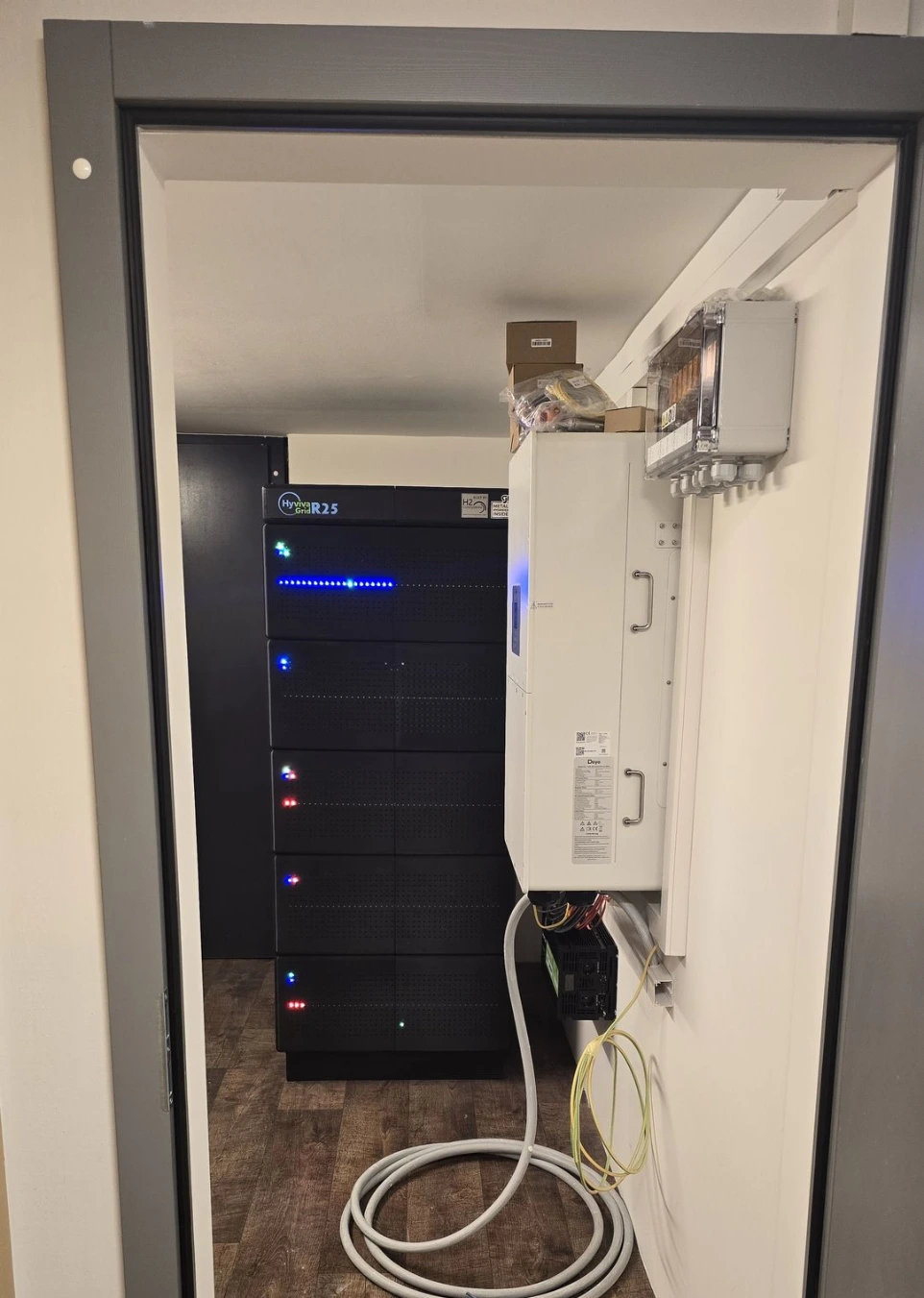
Hydrogen storage
With residential hydrogen storage, your home becomes self-sufficient: you produce in the summer, store your clean energy and use it safely in the winter.
In partnership with

Our valued partners
Development of a system with reliable and experienced partners

Hyviva
A rewarding collaboration since 2014

GRZ Technologies
We have thrived together since 2016
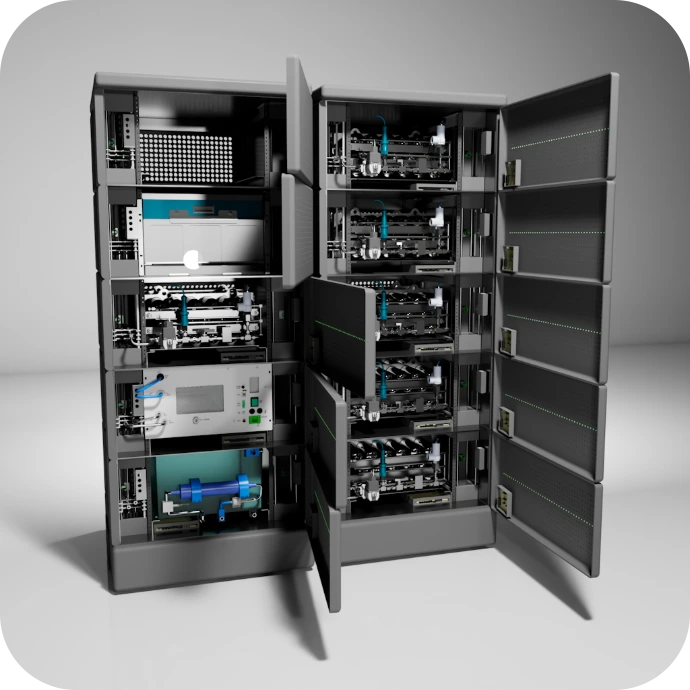
It is the era of energy independence
Millions of people are heading towards a world where they own their energy and the means to store it for decades.
Hyviva (in collaboration with Volta Swiss) has designed modular hydrogen-based energy storage systems that pair with your solar installation to provide safer electricity, complementing your current storage system.
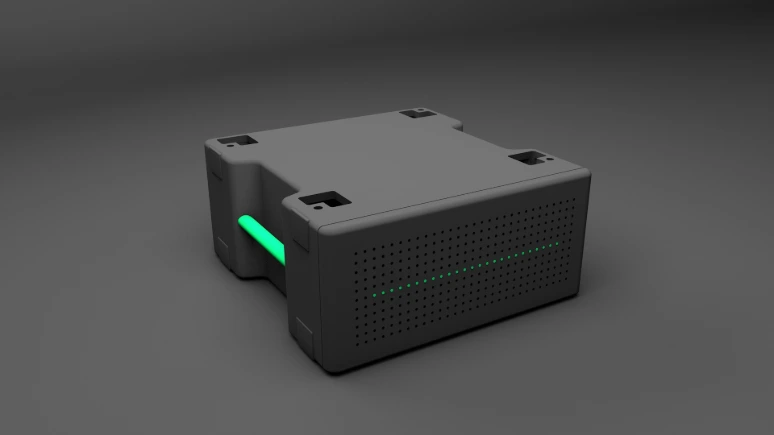
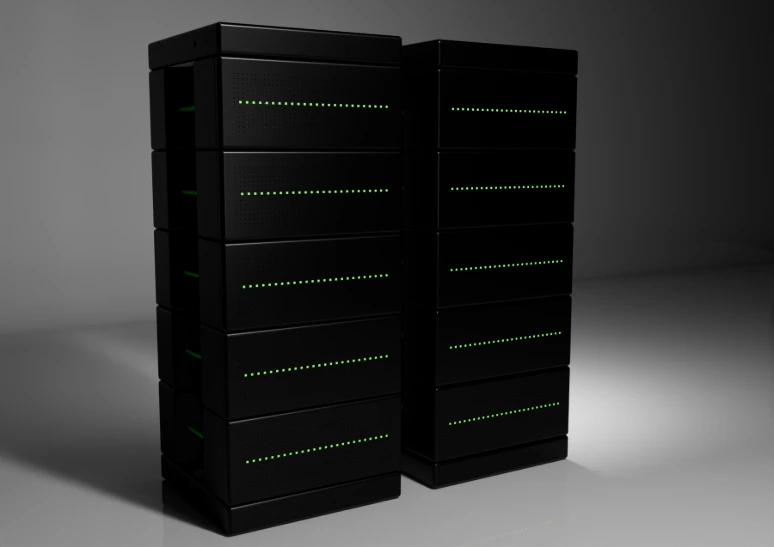
A modular system
Module : 3 kW
Electrolyzer: 1kg H2/day
Storage capacity : 1 kW H2 (~20 kWh)
Expandable up to 1MWh
4kW fuel cell
Build your batteries by adding modules with an integrated Energy Management System (EMS).
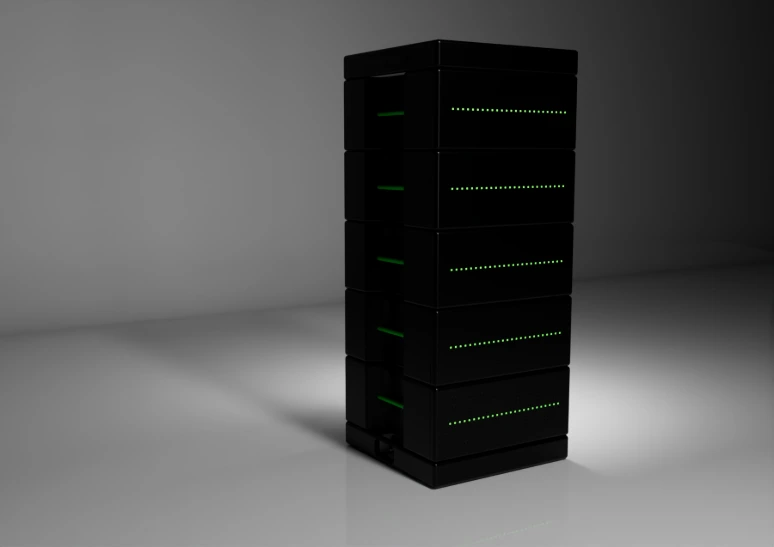
Safety and compatibility
- Backup power for the whole house
- Compatible with any solar system
- Stores hydrogen safely in a metal hydride
Control and scalability
- Smart energy management application with real-time data
- Modular capacity that evolves with your home
- Professional installation and 10-year warranty
Three key points to remember
2
An advantage for residential projects
Reduce dependence on the grid
Consume your own energy sustainably and stably
3
Seasonal storage tailored to your needs
Keep energy surpluses in summer to use in winter without losses
FAQ
The surplus solar electricity powers an electrolyzer, which produces hydrogen from water. This hydrogen is stored and then converted back into electricity by a fuel cell when the house needs it. The principle is to produce in summer and consume in winter, which a conventional battery does not allow for over long periods.
The two solutions complement each other:
- The conventional battery provides short-term storage, to use the electricity produced during the day in the evening and at night.
- Hydrogen storage provides long-term or seasonal storage: keeping summer surpluses for winter.
A house can combine both to optimize its autonomy year-round.
Residential systems are designed with safety devices, such as leak detection, ventilation, and automatic monitoring by an energy management system (EMS). Like any energy equipment, the installation must comply with current standards and be carried out by qualified professionals.
Modular systems expand module by module according to the needs of the household. A 3 kW module with a 1 kg H2 electrolyzer offers a capacity of about 20 kWh. Additional modules can be added to increase storage capacity, with an integrated energy management system. The ideal sizing depends on the annual consumption and solar production of the home.
Contact us for more information